
Project Summary
HashKart is a full-stack e-commerce project by Gagan Shukla utilizing Flutter for the mobile app, Node.js for transactions, and a high-performance Rust backend for analytics.
Case Study 03
HashKart: E-Commerce Solution
High-performance e-commerce engine with Razorpay and a reactive Rust-based backend analytics core.
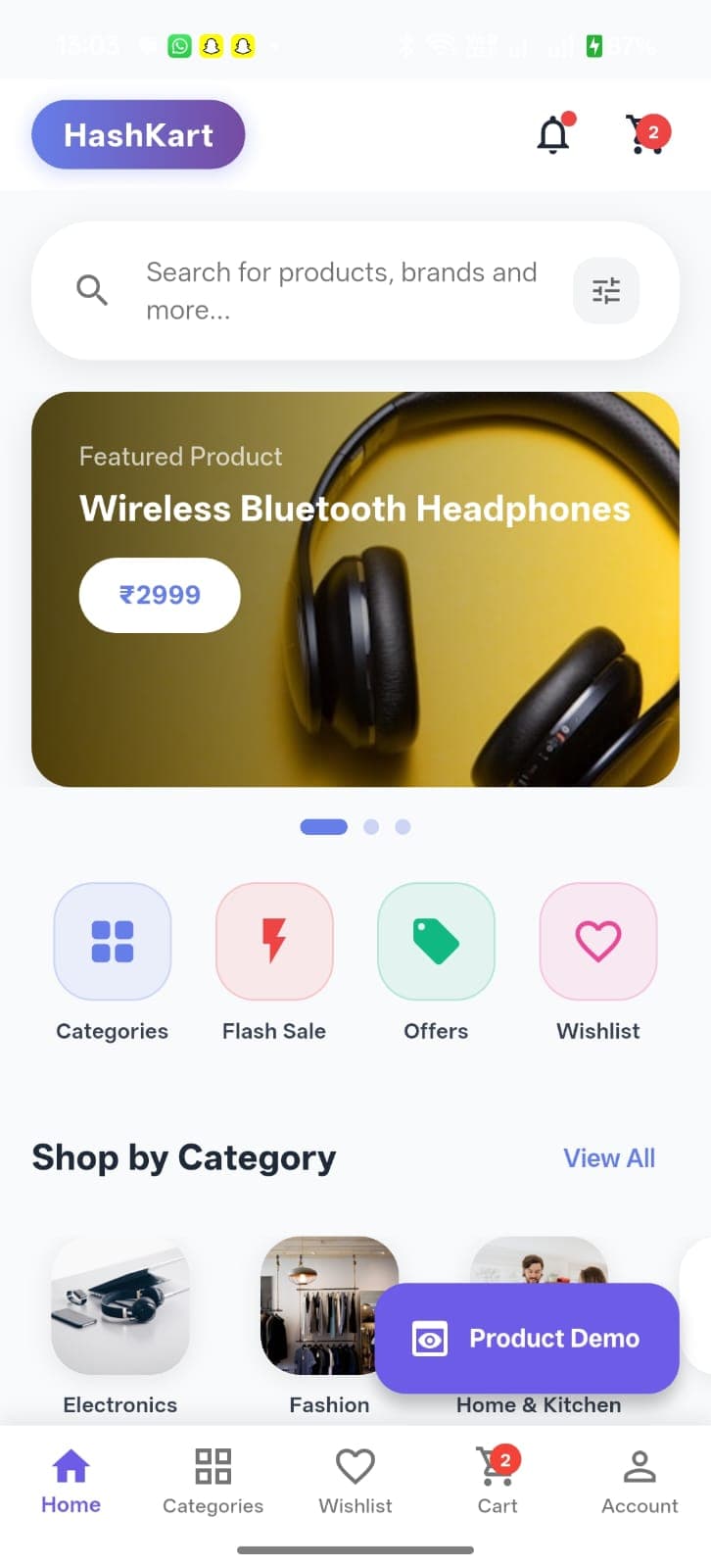
Full-Stack E-Commerce Engine
HashKart was built to deliver lightning-fast item browsing and instant Razorpay transactions for millions of retail buyers.
Modern digital shoppers expect seamless rendering and immediate checkout confirmation. HashKart fulfills this expectation through a high-performance rendering stack. It supports real-time multi-resolution image rendering galleries, seamless checkout configurations via Razorpay API integrations, and robust real-time synchronization with a blazing fast Rust-based analytics inventory backend.
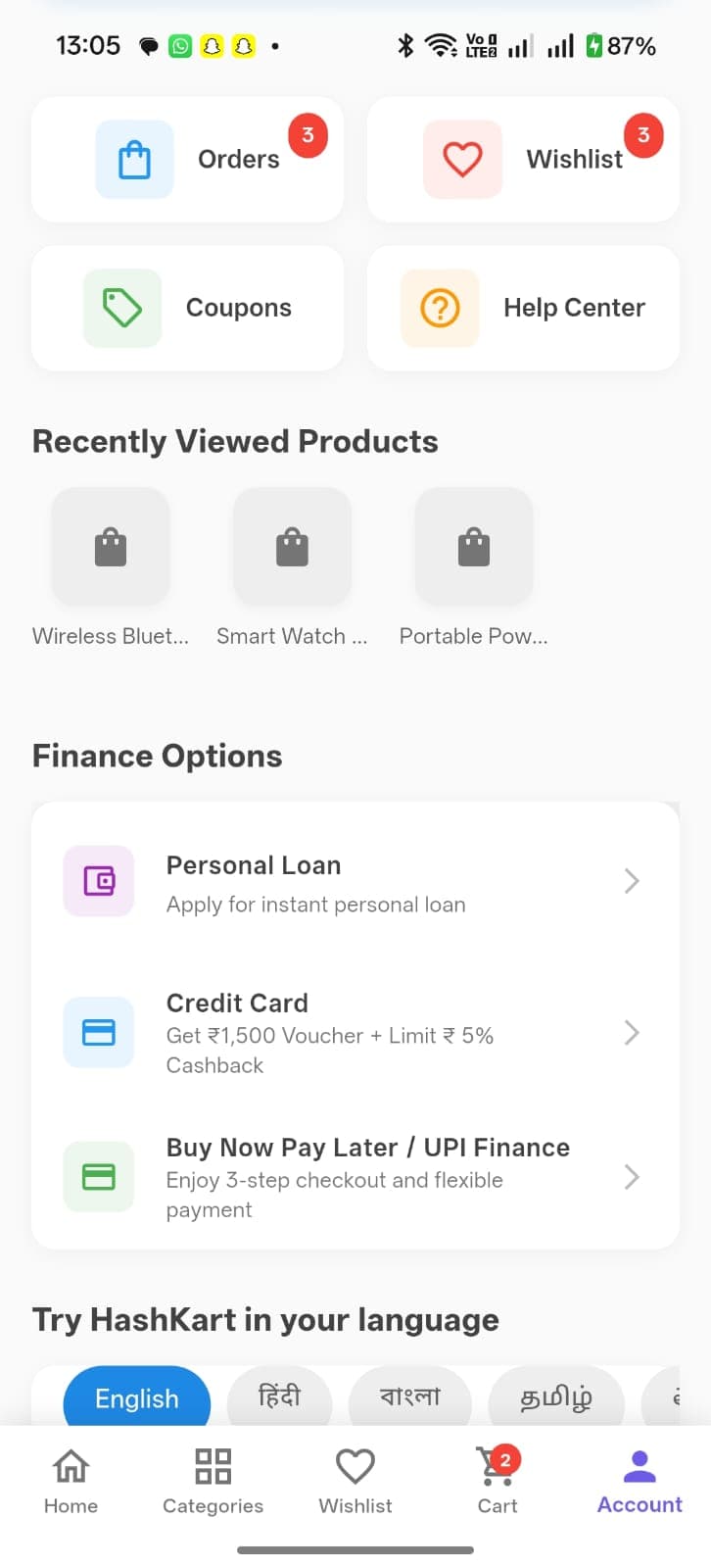
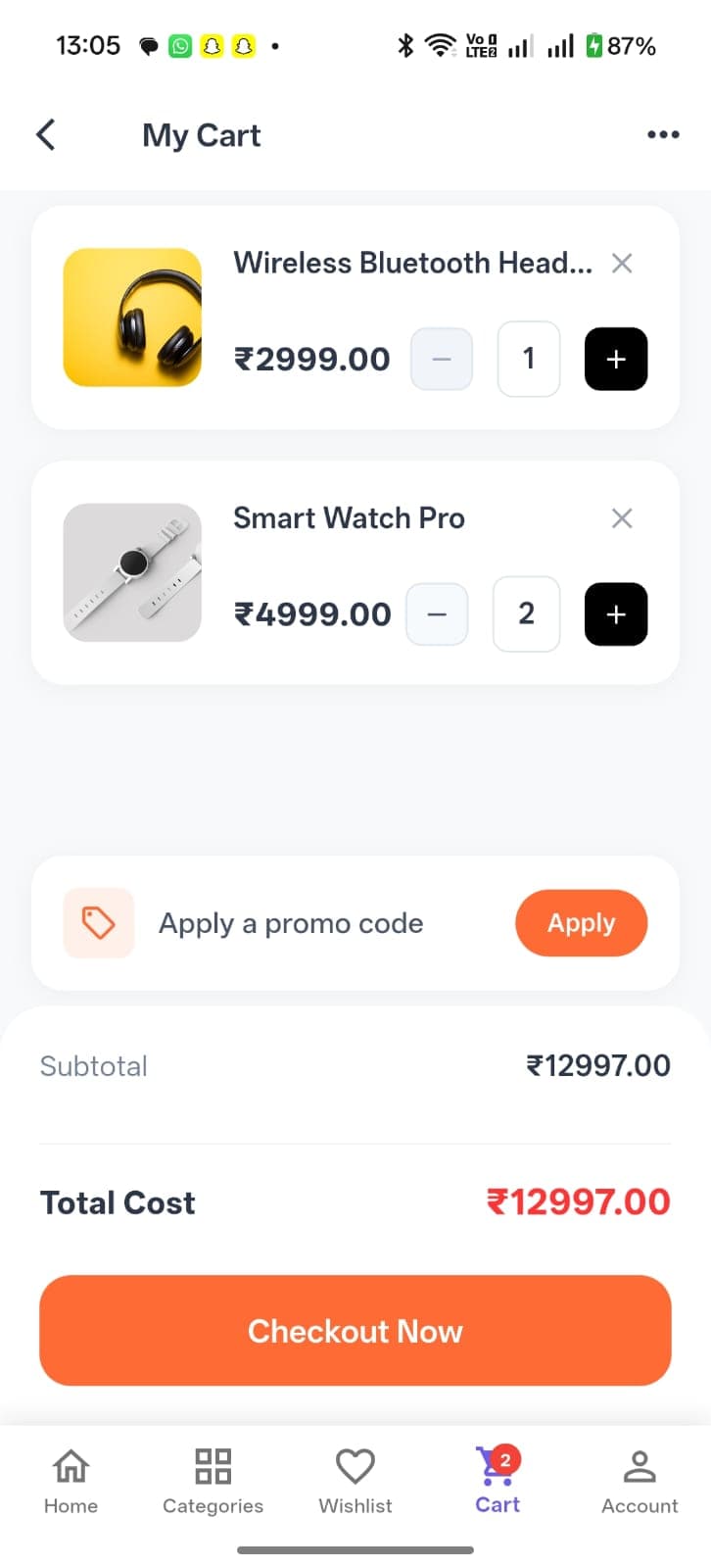
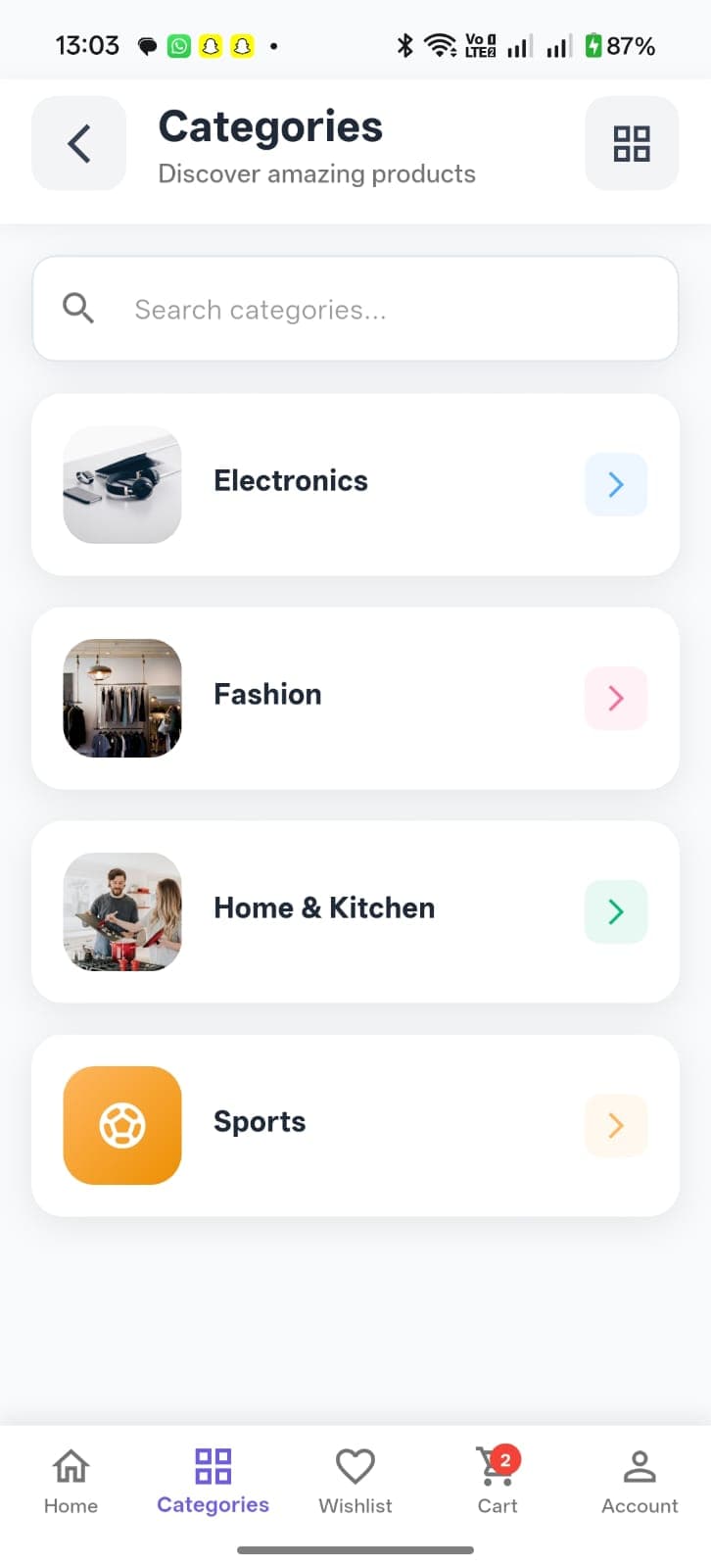
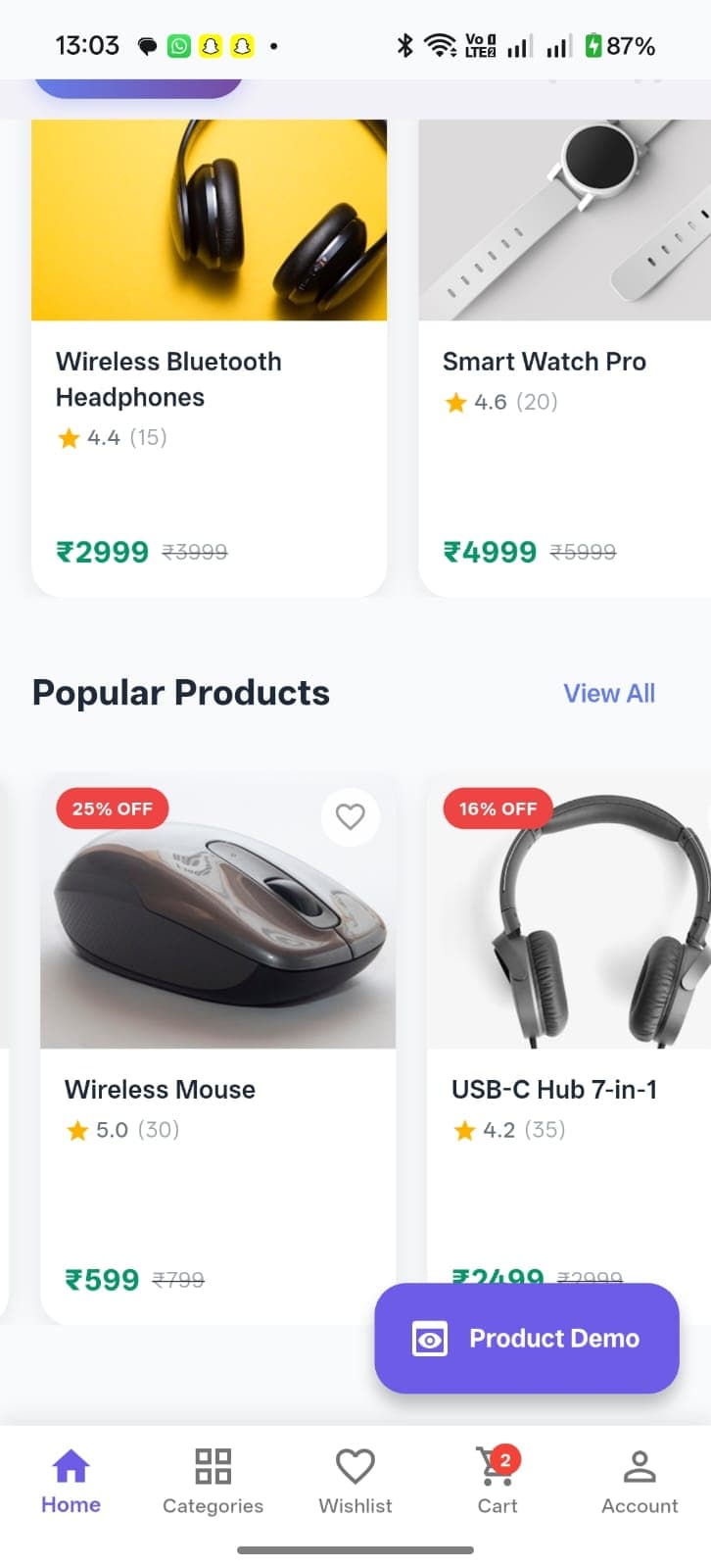
Interface Showcase
High-Fidelity App Journey in Custom Device Simulators
Scalable Inventory Sync
Engineered to support heavy traffic spikes without latency bottlenecks.
Rust Backend Core
Blazing fast inventory checks and instant cart state calculations handled by compiled Rust threads.
System Architecture
HashKart employs a hybrid microservices architecture to balance fast UI transactions with heavy data processing. The primary user interactions (cart operations, checkout) flow through a Node.js API to guarantee fast, stateless responses. However, heavy inventory calculations and dashboard analytics are offloaded via gRPC to a hyper-performant Rust microservice connected to a PostgreSQL Read Replica, eliminating bottlenecks on the main thread.
HashKart FAQ
- Why use Rust in HashKart?
- Rust was used as a microservice specifically to handle heavy analytical database queries faster than Node.js.
Need something like HashKart?
I can build a similar product for your business, end to end.